Best Time to Visit Indonesia Spice Islands for Diving 2026
The optimal periods for diving in Indonesia’s Spice Islands, particularly around the Banda Archipelago, are typically from March to April and September to December. These months avoid the region’s two main monsoon seasons, providing calmer seas and superior underwater visibility. The Banda Islands, part of the Maluku province, are located approximately 2,000 kilometers east of Jakarta, drawing a specific type of diver.
This seasonality dictates trip planning for both liveaboard cruises and land-based diving excursions. Water temperatures generally remain consistent at 27-29°C (81-84°F) year-round, supporting a diverse marine ecosystem. For instance, the Banda Sea is a known migratory route for pelagic species, including hammerhead sharks, which are more frequently sighted during the September to November period.
Understanding the Spice Islands’ Dive Seasons
The Spice Islands, historically significant for nutmeg and clove trade, experience distinct weather patterns influencing diving conditions. The dry season, from March to April and September to December, offers the most favorable conditions. During these windows, wave heights average less than 1 meter, and underwater visibility often exceeds 20 meters, reaching up to 30 meters on good days. This contrasts with the peak western monsoon (January-February) and eastern monsoon (May-August), when stronger winds and higher rainfall can reduce visibility and increase sea swell.
These periods are ideal for accessing remote dive sites around islands like Hatta, Ai, and Run, which feature extensive coral gardens and volcanic underwater topography. A typical 7-day liveaboard trip during these months might cost US$2,000–3,500, excluding domestic flights, for a mid-range experience.
Indonesia Spice Islands Liveaboard Cruise 2026: Planning Your Trip
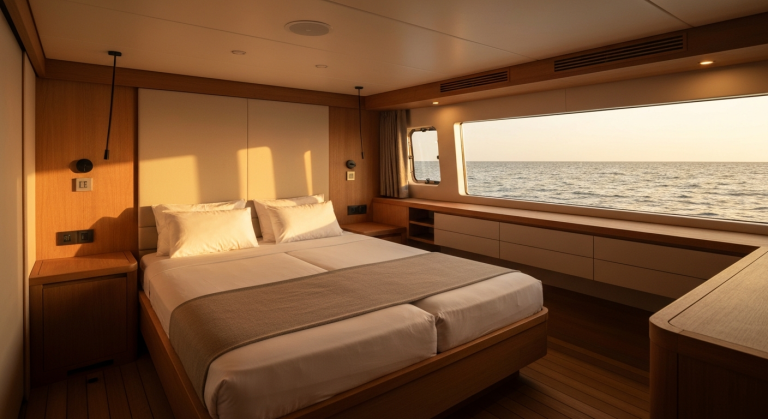
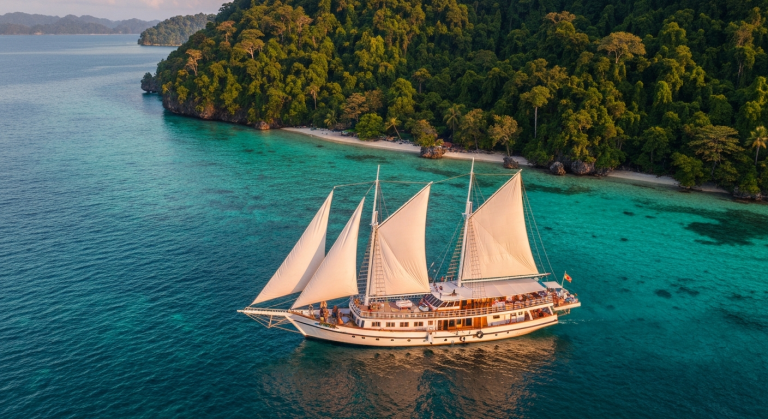
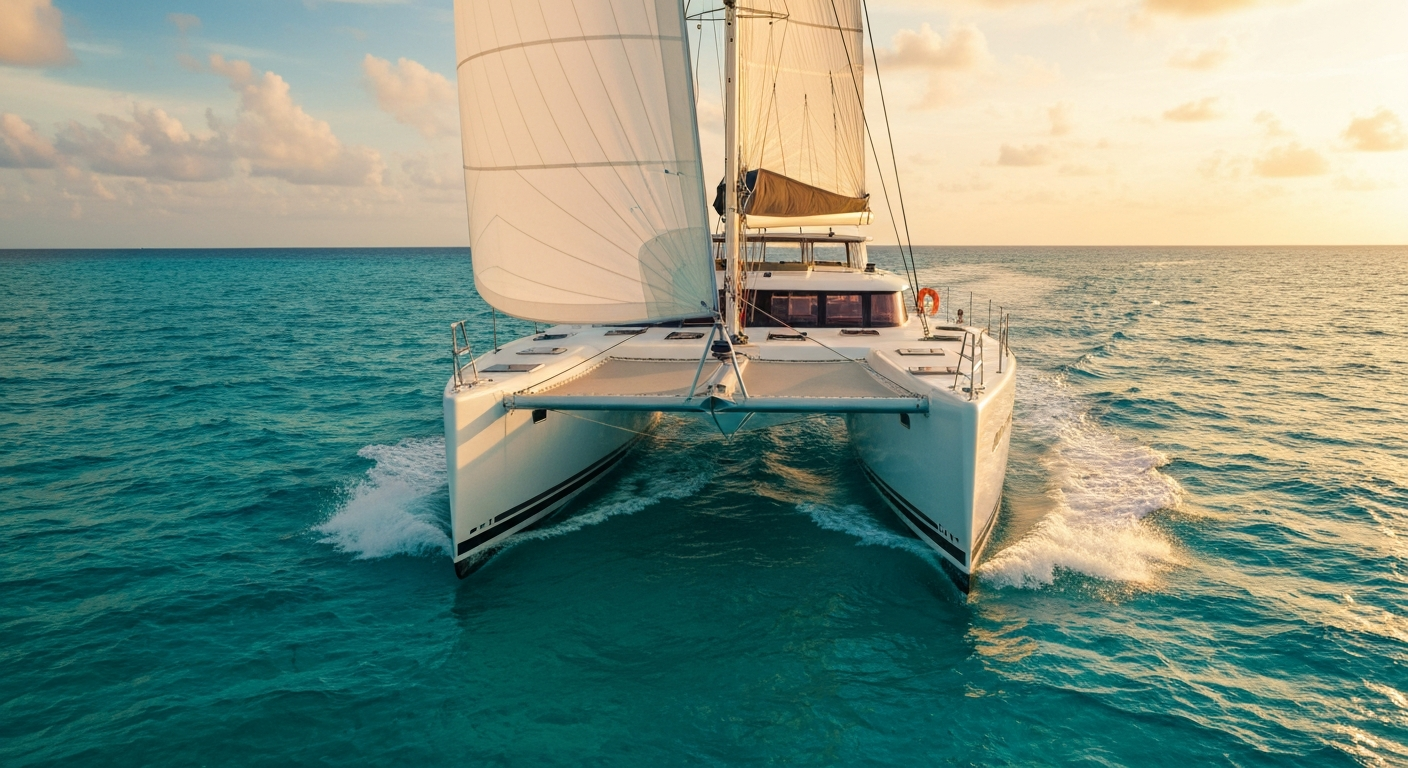
Liveaboard cruises offer comprehensive access to the diverse dive sites of the Banda Sea, a popular option for divers targeting specific pelagic encounters. Planning for an Indonesia Spice Islands liveaboard cruise in 2026 requires booking well in advance, especially for peak season departures. Vessels range from mid-range boats accommodating 6-12 guests to luxury yachts.
Mid-range liveaboards for 7-9 days typically cost US$2,000–3,500 per person, offering AC cabins and full board. Luxury options, such as Aqua Blu’s seven-night itineraries, start from US$8,960 per person based on double occupancy. These high-end vessels include ensuite cabins, premium food, and dedicated dive guides. Operators generally require PADI Advanced Open Water or equivalent certification for these trips.
Spice Islands vs. Raja Ampat: Choosing Your Dive Destination
The decision between the Spice Islands and Raja Ampat depends on specific diving preferences and travel goals. Raja Ampat, located in West Papua, is renowned for its biodiversity, boasting over 1,500 fish species and 600 coral species, representing 75% of the world’s known coral. The Spice Islands, particularly the Banda Sea, are known for pelagic encounters, including schooling hammerheads and mobula rays, alongside healthy reef systems and historical wrecks.
Visibility in Raja Ampat averages 15-25 meters, similar to the Spice Islands during optimal periods. Raja Ampat’s peak season runs from October to April, contrasting with the Spice Islands’ March-April and September-December windows. A 7-day mid-range liveaboard in Raja Ampat often begins at US$3,000–5,000, slightly higher than comparable Spice Islands trips, reflecting its established reputation and remote logistics. For those prioritizing historical exploration alongside diving, the Spice Islands offer unique colonial forts and nutmeg plantations, registered as a UNESCO World Heritage Tentative Site.
Spice Islands Indonesia Snorkeling Trip for Beginners
For those new to underwater exploration or preferring snorkeling, the Spice Islands offer accessible and vibrant sites. Many dive sites feature shallow coral gardens suitable for snorkelers, often just a few meters from the surface. Areas around Banda Neira and Hatta Island provide protected bays with gentle currents, ideal for beginners. Snorkeling trips can be arranged locally from Banda Neira, costing US$30–60 per half-day, including equipment hire and boat transfer to nearby spots like Lava Flow or Pulau Pisang.
These trips often include opportunities to observe diverse reef fish, giant clams, and healthy hard and soft corals. Operators prioritize safety with experienced local guides and provide flotation devices. Group sizes for snorkeling excursions are typically small, between 4-8 participants, ensuring a personalized experience. For more information on local tours, visit our Banda Neira day trip options.
Best Time for Pelagic Encounters and Historical Tours
The period from September to November is consistently cited for the highest probability of pelagic sightings in the Banda Sea. This includes large schools of hammerhead sharks, which migrate through the deep waters surrounding the Banda Arc. Expeditions targeting these species often focus on specific seamounts and drop-offs. Scientific observations support increased hammerhead activity during these months, linked to seasonal upwellings.
Concurrently, this season also aligns well for historical exploration. The dry, calm weather facilitates visits to colonial structures such as Fort Belgica on Banda Neira, built by the Dutch East India Company in 1611. Exploring the nutmeg plantations and local villages, where the history of global spice trade unfolded, is comfortable during these months. Tour operators offer combined dive and cultural packages, with 10-day Maluku trips starting from US$3,500 for small-group expeditions.
Logistics and Accessibility for Your Spice Islands Dive Trip
Accessing the Banda Islands from major Indonesian hubs like Bali or Jakarta involves domestic flights and often a ferry connection. The primary gateway is Ambon (AMQ), the capital of Maluku province. From Ambon, travelers typically take a fast ferry (approximately 6-8 hours, US$30-50) or a local flight (approximately 45 minutes, US$80-120) to Banda Neira, depending on seasonal schedules. Ferries operate more reliably during the calm season, while flights can be limited to twice weekly.
A common route involves flying from Jakarta (CGK) or Bali (DPS) to Ambon (AMQ). Direct flights to Ambon are available daily from Jakarta, taking roughly 3.5 hours. It is advisable to factor in an overnight stay in Ambon to account for potential delays before connecting to Banda Neira. For 2026, domestic flight schedules are expected to remain similar, with Lion Air and Garuda Indonesia serving the Ambon route. This multi-leg travel requires careful planning, which our team can assist with.
Key Considerations for Spice Islands Diving in 2026
Planning a dive trip to the Spice Islands in 2026 involves several factors beyond just seasonal timing. Understanding these elements ensures a smoother and more rewarding experience.
- **Optimal Dive Months:** March-April and September-December offer the calmest seas and best visibility, averaging 20-30 meters.
- **Monsoon Periods:** Avoid January-February (Western Monsoon) and May-August (Eastern Monsoon) for diving due to stronger winds and reduced visibility.
- **Pelagic Sightings:** September-November is prime for hammerhead shark encounters in the Banda Sea.
- **Logistics from Major Hubs:** Factor in flights from Jakarta/Bali to Ambon, then a connecting flight or fast ferry to Banda Neira. This typically takes 1-2 travel days.
- **Budget Planning:** Entry-level 7-day trips start around US$1,200–2,000 (excluding international flights), while luxury liveaboards can exceed US$8,000 per person.
- **Certification Requirements:** Most dive operators require PADI Open Water or equivalent, with Advanced Open Water recommended for deeper sites.
- **Safety Protocols:** Operators adhere to international safety standards, including emergency oxygen, first aid, and communication systems. Ensure your travel insurance covers diving.
- **Sustainability Practices:** Choose operators committed to marine conservation and supporting local communities. Our tours incorporate local guides and sustainable waste management.
- **Visa & Entry:** Confirm visa requirements for Indonesia. Many nationalities qualify for visa-on-arrival or e-visa. Check the official Indonesia Travel website for current regulations.
- **Health & Vaccinations:** Consult a medical professional regarding recommended vaccinations for Indonesia. Malaria prophylaxis may be advised for remote areas, though Banda Neira itself is low risk.
The Spice Islands present a unique dive destination, combining rich biodiversity with historical significance. Careful consideration of the optimal seasons and practical logistics will enhance your experience. Whether seeking hammerhead schools, vibrant coral reefs, or exploring colonial heritage, the Banda Sea delivers a distinct underwater adventure. We offer tailored itineraries, ranging from 7-day dive-focused liveaboards starting at US$2,500 to 10-day cultural and diving expeditions, ensuring a well-organized trip to this historic region. Contact us to plan your 2026 Spice Islands dive tour.