Understanding the Unique Culture of the Maluku Spice Islands
Understanding the Unique Culture of the Maluku Spice Islands
The Maluku Islands, historically known as the Spice Islands, hold a singular position in global history. For centuries, these remote Indonesian islands, particularly Banda Neira, were the world’s only source of nutmeg and mace, commodities that fueled European colonial expansion and trade wars. By the 17th century, a pound of nutmeg could fetch more than a pound of gold in European markets, as documented by historical sources like Giles Milton’s “Nathaniel’s Nutmeg.” This intense demand shaped a distinct Malukan culture, blending indigenous traditions with influences from Portuguese, Dutch, and Arab traders who sought control over this lucrative trade. A UNESCO World Heritage Tentative Site, the Banda Islands preserve significant architectural and cultural remnants of this era, offering visitors a direct link to a pivotal period in world history. For those considering a spice islands tour indonesia, understanding this deep cultural foundation is essential for an enriching experience.
The Historical Legacy: Nutmeg, Forts, and Colonial Echoes
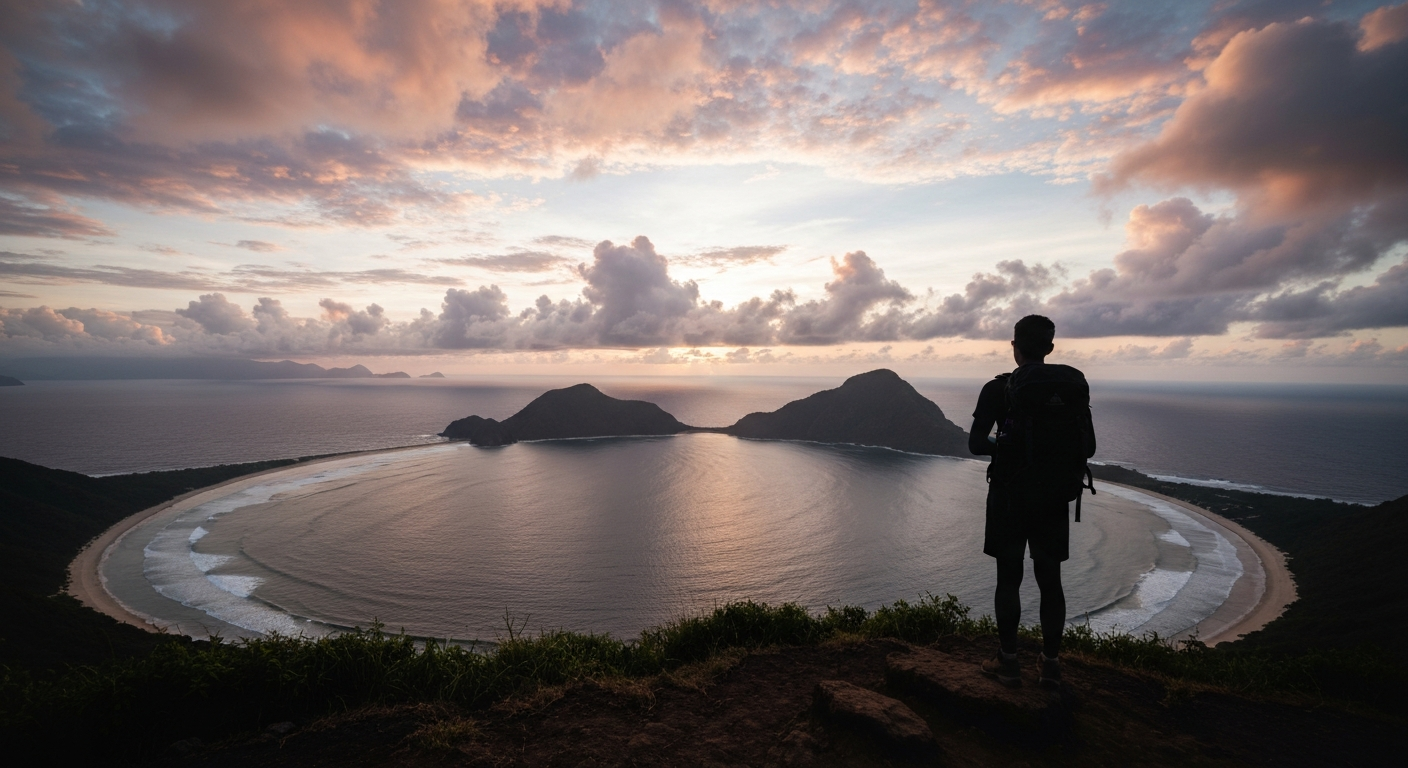
The Maluku Islands’ identity is inseparable from its history as the world’s primary nutmeg producer. The Dutch East India Company (VOC) established a significant presence here, most notably building Fort Belgica on Banda Neira in 1611. This five-bastion star fort, meticulously restored, stands as the strategic importance of the spice trade. Visitors on a spice islands indonesia historical tour fort belgica can explore its ramparts, offering panoramic views of Banda Neira and the active Gunung Api volcano. Beyond the forts, numerous nutmeg plantations still operate, allowing for spice islands indonesia nutmeg plantation tour experiences. These tours typically involve walking through groves where nutmeg trees (Myristica fragrans) have grown for centuries, learning about the harvesting and processing of nutmeg and mace, which remains a core economic activity for many local communities. Prices for guided plantation tours often range from US$10-20 per person, providing direct insight into this enduring legacy. The economic impact of spices shaped local governance and trade routes for over 300 years.
Planning Your Maluku Expedition: Logistics for 2026
Efficient logistics are key for a rewarding visit to the Maluku Spice Islands. The primary gateway to the Banda Islands is through Ambon (AMQ), the provincial capital. Travelers often ask how to get to banda islands from bali / jakarta. From Jakarta (CGK) or Denpasar (DPS) in Bali, daily flights connect to Ambon, usually requiring a transit through Makassar (UPG). The flight duration from Jakarta to Ambon is approximately 3.5 hours. From Ambon, travelers typically take a fast boat (approx. 6 hours, US$30-40 per person) or a slower public ferry (approx. 10-12 hours, US$15-20 per person) to Banda Neira. For those seeking a comprehensive spice islands tour indonesia banda neira itinerary, a 7 to 10-day trip is commonly recommended, allowing sufficient time to explore the islands’ history, culture, and marine life. Small group sailing tours, such as a spice islands tour indonesia maluku 10 day trip, often consolidate these transfers, providing a seamless experience for groups typically ranging from 6 to 12 guests. Pre-booking domestic flights and boat transfers, especially for peak seasons like June–October 2026, is essential.
Culture Beyond the Spice: Village Life and Local Traditions
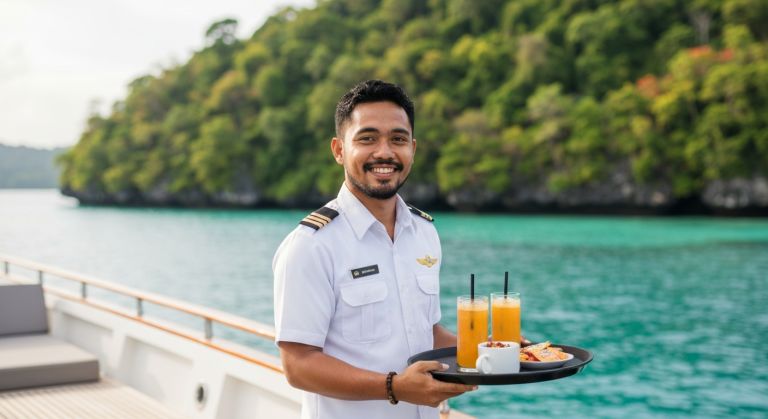
The cultural vibrancy of the Maluku Spice Islands extends far beyond their historical trade. Local communities maintain distinct traditions, visible in their daily lives, music, and ceremonies. Visiting a traditional village offers a window into this authentic way of life. For instance, in villages like Lonthoir or Waling on Banda Besar, visitors can witness traditional boat building or observe the intricate process of sago processing. Experiencing a maluku spice islands cultural village homestay allows for deeper engagement, with costs ranging from US$25-50 per night including meals. These homestays provide simple, clean accommodations and direct interaction with local families, offering insights into their customs, cuisine, and hospitality. Many spice islands indonesia small group sailing tour itineraries include opportunities for village visits and cultural exchanges, often supported by English-speaking local guides. This direct interaction fosters a greater appreciation for Maluku’s living heritage, which has adapted over centuries while retaining its core identity.
Engaging with the local culture also involves understanding the diverse influences that have shaped Malukan identity. Here are key cultural elements:
- **Adat (Customary Law):** Traditional laws and social structures continue to govern many aspects of village life, particularly regarding land use and community disputes, ensuring social cohesion.
- **Music and Dance:** Folk music, often accompanied by local instruments like tifa drums and gambus, plays a significant role in celebrations and rituals, reflecting both indigenous and historical influences.
- **Cuisine:** Malukan food features fresh seafood, sago, and, naturally, a generous use of spices like nutmeg and cloves. Local dishes often have a unique blend of Indonesian, Dutch, and Portuguese flavors, such as Ikan Kuah Kuning (yellow fish soup).
- **Languages:** While Bahasa Indonesia is widely spoken, various indigenous languages and dialects persist, reflecting the region’s linguistic diversity across its hundreds of islands.
- **Religious Harmony:** Maluku is known for its strong interfaith harmony, with Christian and Muslim communities often living side-by-side and participating in shared cultural events, resilient social structures.
- **Traditional Architecture:** Houses in older villages often feature distinct architectural styles, adapted to the tropical climate and local materials, incorporating elements like raised platforms and open verandas.
- **Handicrafts:** Locally produced items, from intricately carved wooden boats to woven goods and shell carvings, represent traditional skills passed down through generations and provide unique souvenirs.
Exploring the Underwater World: Diving and Snorkeling in Maluku
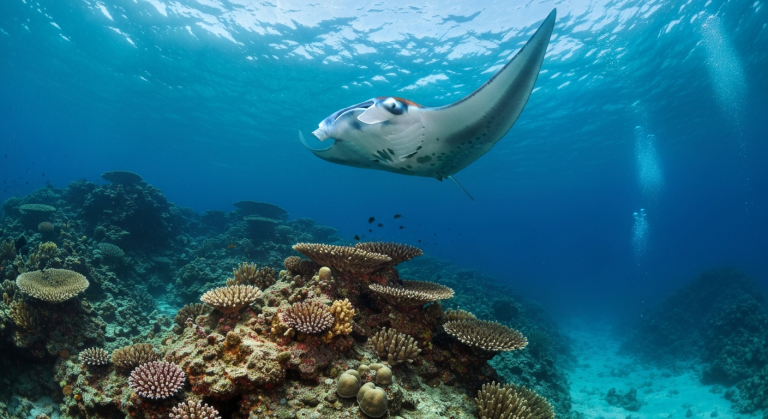
Beyond its historical significance, the Maluku Spice Islands offer exceptional marine biodiversity, making them a prime destination for underwater exploration. The Banda Sea is renowned for its healthy coral reefs, dramatic drop-offs, and abundant pelagic life. For avid divers, the best time to visit indonesia spice islands for diving is generally from September to November, and again from April to May, when the seas are calmest and visibility can exceed 30 meters. Popular dive sites include the lava flow from Gunung Api, teeming with hard corals and reef fish, and various pinnacles around the Banda Islands that attract larger marine species like hammerhead sharks. Snorkeling is equally rewarding, with numerous accessible reefs close to shore. A spice islands indonesia snorkeling trip for beginners can easily be arranged, with guides providing equipment and basic instruction. While Raja Ampat is famed for its biodiversity, Maluku offers a different appeal: fewer crowds, pristine reefs, and the unique backdrop of historical islands. Liveaboard cruises, such as an indonesia spice islands liveaboard cruise 2026, provide access to more remote dive sites, with prices for a 7-day trip ranging from US$2,500 to US$5,000+ depending on the vessel and inclusions. Many operators offer PADI or SSI certified guides, ensuring safety and professional instruction for all experience levels.
Responsible Travel and Support in Maluku
Traveling to the Maluku Spice Islands involves a commitment to responsible tourism, ensuring positive impacts on local communities and the environment. Visitors often inquire, is indonesia spice islands safe to visit in 2026? Generally, the region is considered safe for tourists, with local communities welcoming visitors. It is advisable to consult government travel advisories from your home country, such as the UK Foreign Travel Advice for Indonesia, for the most current information regarding safety and health protocols. Choosing spice islands indonesia eco friendly tour operators is crucial. These operators prioritize waste management on boats and in villages, support local employment by hiring community members, and contribute to conservation efforts, often including nominal conservation fees that directly benefit marine parks and community projects. For instance, some tours contribute to initiatives protecting sea turtles or promoting sustainable fishing practices in the Banda Sea. Ensuring guides are local, and that purchases benefit the community directly, helps foster sustainable tourism development. Visa requirements for Indonesia typically involve a visa-on-arrival or e-visa for many nationalities; confirm these details well in advance of your 2026 trip for a smooth entry.
The Maluku Spice Islands represent a rare intersection of profound history, vibrant culture, and pristine natural beauty. From exploring ancient forts built during the height of the spice trade to immersing oneself in traditional village life or discovering rich underwater ecosystems, the Maluku experience offers depth and authenticity. Spice Islands Tour Indonesia specializes in crafting itineraries that highlight these unique aspects, ensuring a memorable and respectful engagement with this extraordinary destination. We provide clear logistics, experienced local guides, and a commitment to responsible travel. Explore our available tours or contact us to plan your bespoke cultural and historical expedition to the Maluku Spice Islands.